Embrace the March Bounty: Your Guide to Health Benefits & Farmers Market Finds
As the chill of winter begins to recede, March ushers in a vibrant transition, painting the landscape with the promise of spring. For food enthusiasts and health-conscious individuals alike, this month marks an exciting shift in the culinary calendar. Gone are the days of relying solely on hearty root vegetables; the farmers' markets are awakening, bursting with colors and flavors that signal new beginnings. If you’re asking yourself, whats in season March, you’re in for a delightful surprise!
Eating seasonally means more than just following a trend; it's a delicious way to connect with nature's rhythm, maximize nutritional intake, and support sustainable practices. This guide will walk you through the delectable offerings of early spring, highlighting the health advantages and practical tips for making the most of March’s fresh produce.
Why Embrace "What's in Season March"? The Health & Flavor Connection
The decision to prioritize March seasonal produce is a powerful one, impacting both your well-being and your palate. There's an undeniable difference in taste and quality when you choose fruits and vegetables harvested at their peak, and the health benefits are just as significant.
- Peak Nutrition: When produce is picked ripe and consumed shortly after harvest, it retains a significantly higher concentration of vitamins, minerals, and antioxidants. Unlike produce that travels long distances or is picked unripe, seasonal foods have had ample time to develop their full nutritional profile on the plant. This means your body gets more of the good stuff with every bite.
- Optimal Flavor: Have you ever noticed how a strawberry in summer tastes fundamentally different from one bought out of season? That's the magic of seasonality. Fruits and vegetables allowed to ripen naturally under the sun develop their fullest, most complex flavors. March’s offerings promise a burst of freshness that supermarket alternatives often can’t match.
- Nutritional Diversity: Eating seasonally naturally encourages a varied diet. Each month brings new options, compelling you to incorporate different types of fruits and vegetables into your meals. This constant rotation ensures you’re receiving a broad spectrum of nutrients throughout the year, supporting a more robust and diverse microbiome.
- Support for Your Body: Many seasonal foods align with what our bodies naturally crave at certain times of the year. For example, early spring greens can be detoxifying, while the last of the citrus fruits provide immune-boosting vitamin C to ward off lingering cold-weather bugs.
While fresh, seasonal produce is ideal, it’s important to remember that frozen or canned fruits and vegetables remain excellent nutritional choices, especially if local fresh options are limited. The goal is always to get the nourishment you need!
Farmers Market Finds: A Bounty of "What's in Season March"
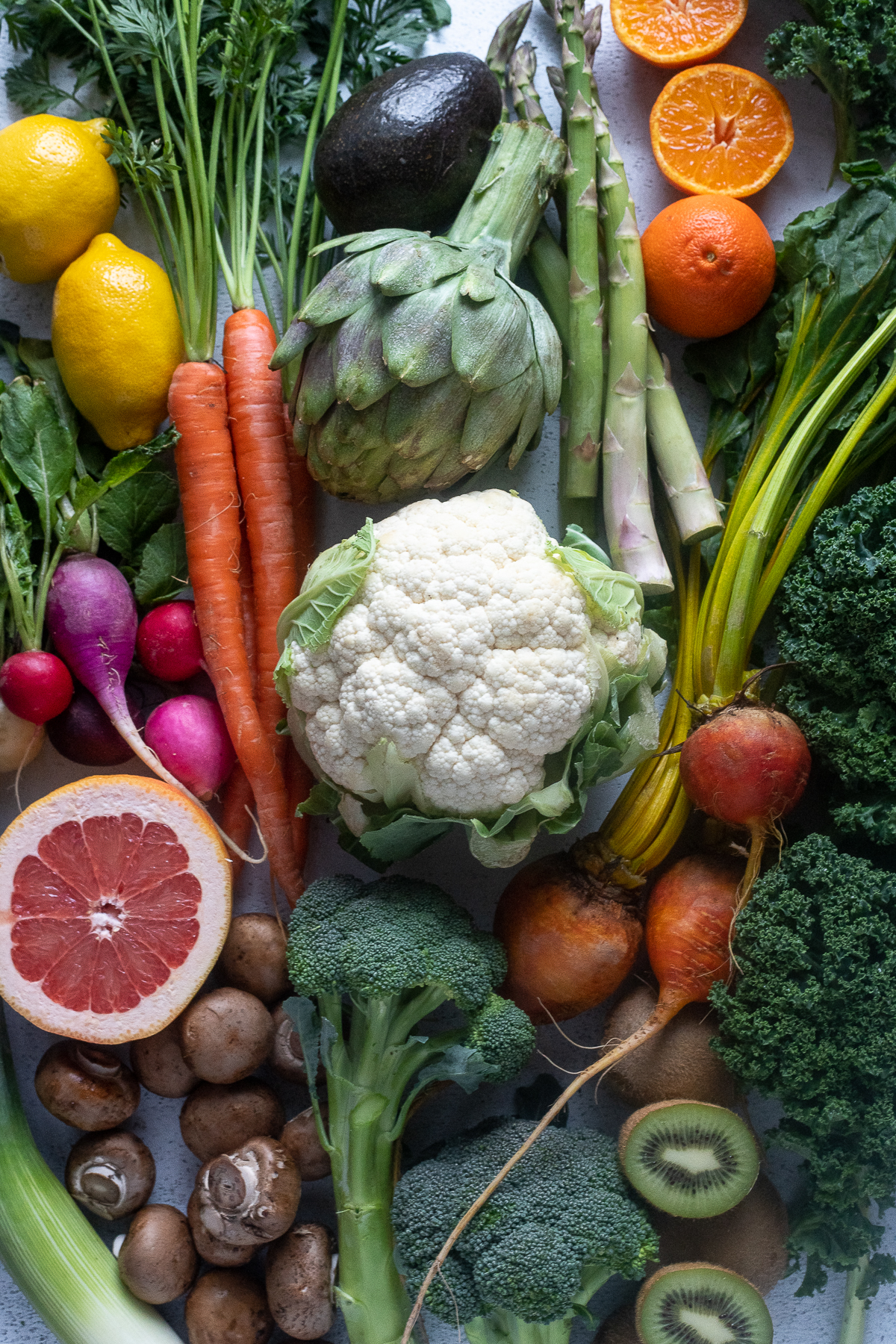
A visit to the farmers market in March is a sensory delight. You’ll notice the stalls slowly shifting from the deep, earthy tones of winter to an invigorating palette of bright yellows and verdant greens. It's truly exciting to see what the local growers have brought in. Here's a comprehensive look at whats in season March, offering a rich variety for your kitchen:
Leafy Greens & Asparagus: The First Signs of Spring
- Arugula: A peppery kick for salads or as a vibrant pizza topping.
- Asparagus: The quintessential herald of spring, fantastic roasted, grilled, or steamed.
- Bok Choy: Crunchy and slightly sweet, perfect for stir-fries and Asian-inspired dishes.
- Collard Greens: Hearty and nutritious, often simmered or braised.
- Endive & Radicchio: Slightly bitter notes that add complexity to salads.
- Kale & Spinach: Nutrient powerhouses, versatile in everything from smoothies to sautés.
- Spring Onions (Scallions) & Leeks: Milder than mature onions, excellent for adding a fresh, delicate onion flavor.
Root Vegetables & Brassicas: Bridging Winter & Spring
Many of winter's stalwarts continue to shine, offering sustained nutrition and heartiness.
- Beets: Earthy and sweet, great roasted, pickled, or raw in salads.
- Broccoli & Cauliflower: Versatile brassicas, ideal for roasting, steaming, or in casseroles.
- Brussel Sprouts: No longer just for holidays, these are delicious roasted with bacon or balsamic.
- Cabbage: From coleslaw to fermented kraut, cabbage is incredibly adaptable.
- Carrots: Sweet and crunchy, excellent raw, roasted, or in soups.
- Celeriac (Celery Root): A nutty, subtle celery flavor, wonderful puréed or roasted.
- Parsnips: Sweet and starchy, a fantastic alternative to potatoes.
- Potatoes & Sweet Potatoes: Staples that provide comfort and essential nutrients.
- Radishes: A spicy, crisp addition to salads or enjoyed simply with butter and salt.
- Sunchokes (Jerusalem Artichokes): Nutty and subtly sweet, fantastic roasted or in gratins.
- Turnips: Slightly peppery, can be roasted, mashed, or added to stews.
Citrus & Early Fruits: A Burst of Sweetness
While winter citrus is making its final bow, the first signs of spring fruits are truly exciting.
- Apples & Pears: Many varieties are still available from cold storage, maintaining their crispness.
- Citrus (Clementine, Grapefruit, Kiwi, Kumquats, Lemon, Lime, Oranges, Tangerine): Enjoy the last of these immune-boosting gems, perfect for juices, zest, and desserts.
- Strawberries: The true star of early spring, these sweet berries are a welcome sight. Nothing beats the flavor of a freshly picked strawberry.
- Persimmon & Banana: Though not strictly seasonal in all regions, these are widely available and complement other seasonal produce.
You can find even more detailed insights into specific produce items and how to choose them in our March Seasonal Produce Guide: What to Buy & Eat This Spring.
Beyond the Basket: Practical Tips for March Seasonal Eating
Knowing whats in season March is just the first step. Here's how to integrate these fresh finds into your daily meals:
Smart Shopping at the Market:
- Talk to Farmers: They are your best resource! Ask what was just harvested, how they recommend preparing it, and how to store it. This "intel" is invaluable.
- Look for Quality: Seek vibrant colors, firm textures, and fresh aromas. Avoid produce with blemishes, soft spots, or wilted leaves.
- Plan (or Don't): You can go with a general idea or let the market inspire you. Sometimes the most delicious meals come from spontaneous purchases.
- Bring Reusable Bags: Be kind to the environment and make carrying your bounty easier.
Cooking & Meal Prep Ideas:
- Roasting Revelry: Root vegetables like carrots, parsnips, and sweet potatoes shine when roasted with herbs and a touch of olive oil. Even Brussel sprouts and asparagus are fantastic roasted.
- Fresh & Crisp Salads: Combine arugula, spinach, or radicchio with thinly sliced radishes, spring onions, and segments of citrus. Add some toasted nuts for crunch.
- Hearty Soups & Stews: Leeks, carrots, celery, and cabbage can form the base of comforting, nutritious meals.
- Stir-Fries: Bok choy, spring onions, and carrots make excellent additions to quick and healthy stir-fries.
- Berry Bliss: Enjoy fresh strawberries simply, or add them to yogurt, oatmeal, or light spring desserts. Don't forget to check out our Unlock Spring Flavors: March Fruits, Veggies & Seasonal Recipes for specific culinary inspiration!
- Green Smoothies: Blend spinach or kale with citrus fruits, a banana, and a touch of ginger for an energizing breakfast.
Storage for Freshness:
- Greens: Wash, dry thoroughly, and store in an airtight container lined with a paper towel in the fridge to absorb excess moisture.
- Root Vegetables: Store in a cool, dark place, or in the crisper drawer of your fridge.
- Asparagus: Treat them like flowers! Trim the ends and stand them upright in a glass with about an inch of water, then cover loosely with a plastic bag and refrigerate.
- Citrus: Keep at room temperature for a few days, or refrigerate for longer storage.
Supporting Your Community and the Planet
Beyond the personal health benefits, choosing whats in season March from local sources offers broader advantages:
- Boost Local Economy: Every purchase at a farmers market directly supports local farmers and food producers, helping to sustain small businesses and create jobs within your community.
- Reduced Environmental Impact: Buying local means less transportation, which translates to fewer greenhouse gas emissions. It also often means less packaging, further reducing waste.
- Sustainable Farming Practices: Many local farmers are dedicated to sustainable and organic growing methods, which are better for the soil, water, and biodiversity.
Conclusion
March is a month of culinary awakening, offering a stunning array of fruits and vegetables that are at their peak in flavor and nutritional value. By exploring whats in season March, you not only treat your taste buds to exquisite flavors but also nourish your body with essential nutrients and contribute to a healthier local food system. So, grab your reusable bags, head to your local farmers market, and let the vibrant produce of early spring inspire delicious, healthy meals throughout the month.
